

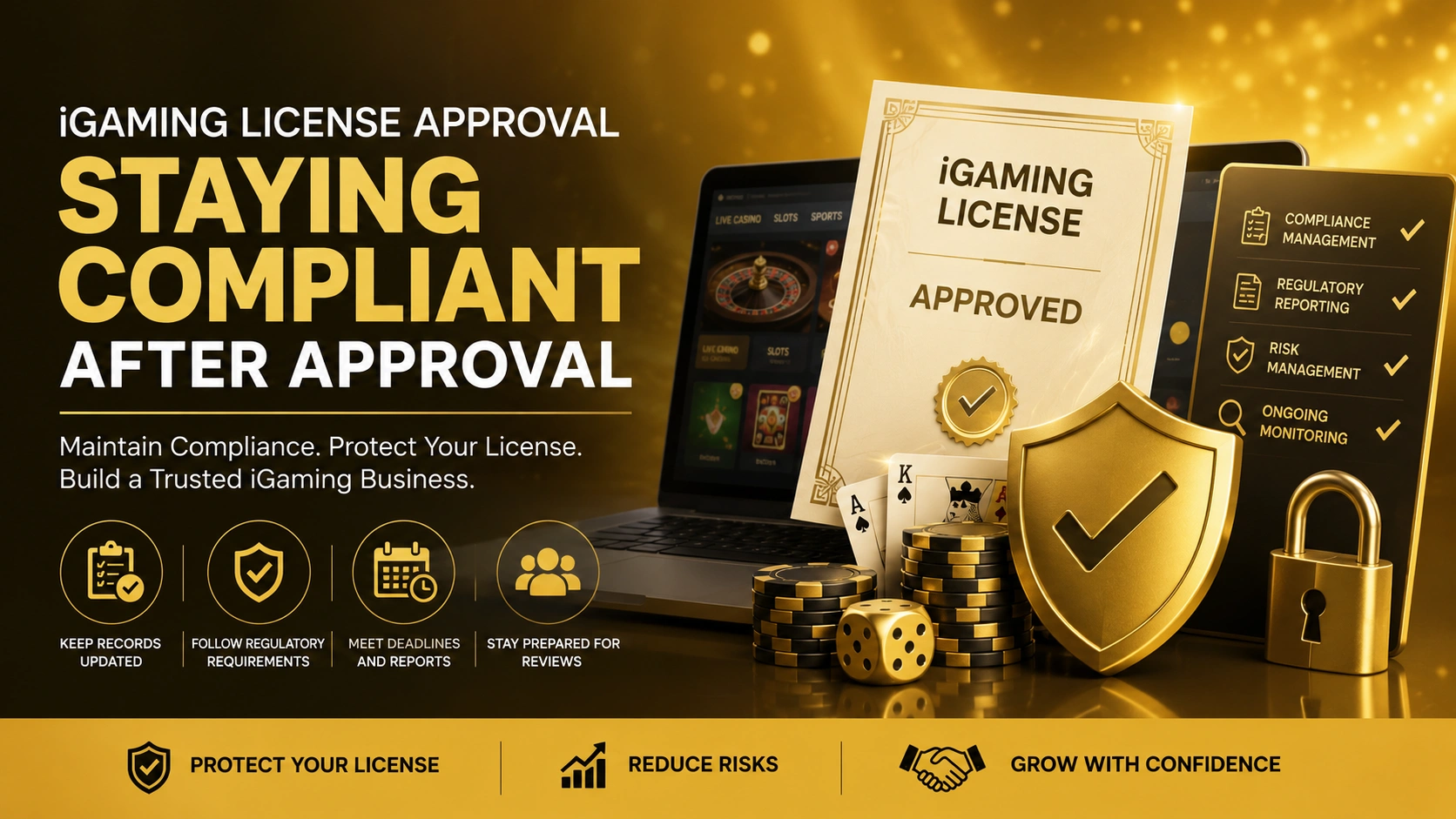
iGaming Compliance After Approval: What Businesses Must Maintain
An iGaming license application is only the first step in building a trusted gaming business. The real pressure often starts after approval, when your team must keep records updated, follow conditions, answer regulatory questions, and prove that your operation is still responsible. Many businesses focus heavily on getting approved, then lose momentum once daily operations begin. That can lead to missed deadlines, weak documentation, and avoidable compliance risks.
At Top Alliance Corp, we understand that approval is not the finish line. It is the start of a long term compliance routine that protects your business, reputation, and ability to operate with confidence.
Why iGaming License Application Compliance Still Matters

After approval, regulators may still expect your business to follow the same standards shown during review. Your documents, policies, ownership details, systems, and operating procedures should remain accurate.
Gaming businesses work in a regulated environment where trust is essential. If your records are outdated or your process is unclear, reviews can become stressful. A strong post approval plan helps you stay ready.
Good compliance can help you:
- Avoid delays during renewals.
- Respond faster to regulator requests.
- Keep internal teams aligned.
- Reduce operational risk.
- Build trust with partners.
For businesses working with a BC gaming license application, staying organized after approval is important because requirements and updates must be handled carefully.
Understand Your Post Approval Responsibilities
Once your approval is granted, your business should know what needs to be monitored. These responsibilities may depend on your registration type, business model, market, and approved activities.
Common post approval responsibilities include:
- Updating business or ownership details.
- Keeping compliance policies current.
- Monitoring responsible gaming processes.
- Tracking reports, renewals, and deadlines.
- Reviewing supplier and platform arrangements.
- Preparing files for review.
- Training team members on compliance procedures.
The goal is not to make compliance complicated. The goal is to make it consistent. When your team knows what to check and when to check it, your business becomes easier to manage.
Keep Your Documents Ready
Strong documentation is one of the best ways to protect your approval. Your business should have easy access to approval records, corporate documents, internal policies, contracts, technical details, risk controls, financial records, training files, and renewal documents.
These files should not sit untouched after approval. They should be reviewed when your business changes. If you change a supplier, update a platform feature, add a new process, or revise responsibilities, your records should reflect that change. This is where gaming license management becomes valuable. It helps your business track what needs attention before deadlines, audits, or renewal periods arrive.
Avoid Common Compliance Mistakes
Many post approval issues happen because businesses become too reactive. They only organize documents when a regulator asks for them. They only review policies when renewal is near.
Avoid these common mistakes:
- Missing reporting deadlines.
- Keeping outdated documents.
- Not reporting important changes.
- Failing to train staff.
- Ignoring supplier updates.
- Operating outside approved conditions.
- Waiting too long to prepare for renewal.
A better approach is to schedule reviews. A quarterly check can help your team catch small issues before they become serious.
When Professional Support Can Help
Professional support is useful when your business is growing, changing, or preparing for another regulatory step. You may need help when expanding services, entering a new market, changing ownership, preparing renewal files, or responding to regulator questions.
Support is also helpful if you plan to apply for gaming license approval in another area. Having organized records and clear policies can make the next process smoother.
At Top Alliance Corp, we support gaming businesses through:
- Internet Gaming Operator Registration
- Gaming-Related Supplier Registration
- Regulatory Documentation & Compliance
- Go-Live & Market Readiness Support
We help make complex requirements easier to manage through practical preparation, clear documents, and market readiness.
Protect Your Approval With Confidence

Staying compliant after approval is more than a regulatory requirement. It is a smart way to protect your business, your reputation, and your ability to operate without unnecessary delays. Once your approval is granted, your team must continue keeping records updated, following compliance conditions, monitoring internal processes, and preparing for future reviews or renewals.
A strong compliance routine gives your business better control. When your documents are organized, your team understands their responsibilities, and your systems are reviewed regularly, you can respond faster and operate with more confidence.
Top Alliance Corp is here to help gaming businesses stay prepared after approval. Through our support for registration, regulatory documentation, compliance, and go-live readiness, we help you move forward with clarity. Contact Top Alliance Corp today and let us guide your next compliance step with confidence.
Frequently Asked Question
1. What should a business do after gaming approval? A business should keep documents updated, follow approval conditions, track deadlines, train staff, and prepare for reviews or renewals.
2. Why is post approval compliance important? It helps reduce risk, protect approval status, prevent delays, and maintain trust with regulators, partners, and stakeholders.
3. How often should compliance records be reviewed? Compliance records should be reviewed regularly, especially when there are business changes, supplier updates, policy revisions, or renewal deadlines.
4. Can Top Alliance Corp help after approval? Yes. We help with regulatory documentation, compliance support, operator registration, supplier registration, and go-live readiness.