


How Hard Is It to Get a Gaming License in Canada? 2026 Guide
You may already have the platform, funding, suppliers, and business plan ready. Then you start asking how hard is it to get a gaming license in Canada and realize the application is only one part of the process.
Which province should you enter? What will regulators review? Does your technology need certification? How prepared do your owners and compliance team need to be?
For companies exploring a gaming license Canada opportunity, the biggest challenge is that there is no single private gaming licence that covers the entire country. Each province has its own rules, regulators, and market structure.
The process can be demanding, but it becomes easier to manage when you understand what regulators expect before you apply.
Why Getting Licensed in Canada Can Be Difficult
The difficult part is rarely one form. It is making sure several parts of your business are ready at the same time.
Depending on your role and target market, gaming license requirements may involve:
- Corporate and ownership records
- Financial information
- Compliance policies
- Responsible gambling controls
- Technology and system testing
- Supplier information
- Anti-money laundering procedures
- Ongoing reporting responsibilities
Regulators may review who owns the company, where funding comes from, how the gaming systems work, and whether the business can operate responsibly.
This is why preparation matters. A company with organized records, clear ownership, tested technology, and established compliance processes may find the application easier to manage.
How Hard Is It to Get a Gaming License in Ontario or Alberta?
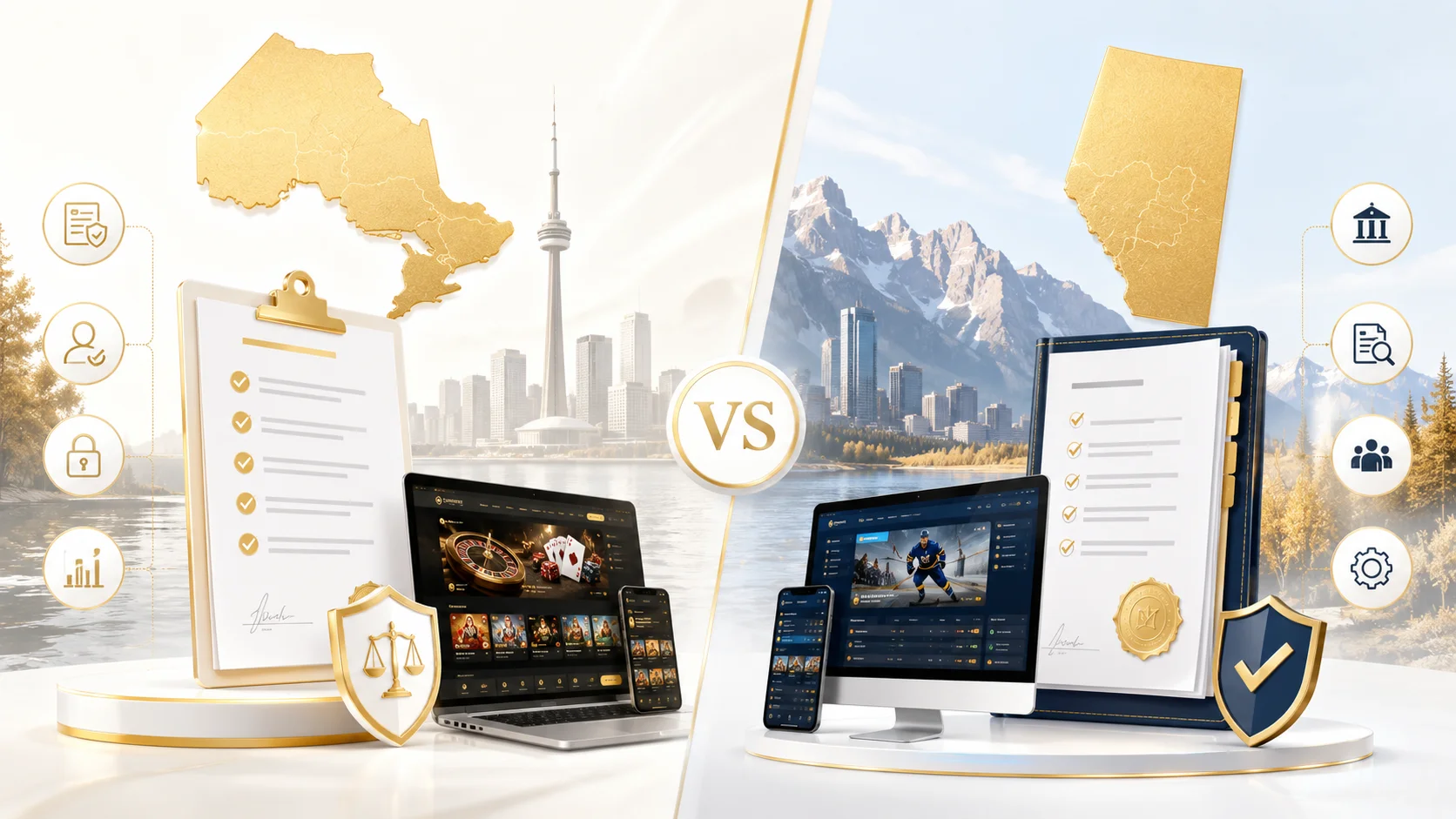
Ontario and Alberta are two important markets for businesses looking at Canadian iGaming opportunities in 2026.
Ontario
Ontario’s regulated online gaming market involves both the Alcohol and Gaming Commission of Ontario and iGaming Ontario.
AGCO registration is part of the regulatory process, while operators must also complete the required steps with iGaming Ontario and enter into an operating agreement.
This means businesses need more than basic paperwork. Financial records, compliance controls, responsible gambling measures, technical systems, and operational readiness all need to come together.
iGaming Ontario currently advises prospective operators to expect at least 90 days to complete the steps required to become registered and authorized.
Alberta
Alberta follows its own process.
The AGLC registration journey involves regulatory due diligence, compliance requirements, and technical preparation. Operators also work with the Alberta iGaming Corporation on the commercial side of market entry.
The key takeaway is simple. Choosing a province affects more than where you launch. It also affects your documents, suppliers, technology, and compliance planning.
What Makes One Application Harder Than Another?
Not every company enters the process with the same level of complexity.
An international business with several shareholders, subsidiaries, suppliers, and technology partners may have more information to organize than a company with a simpler structure.
Factors that can make the process harder include:
- Complex ownership structures
- Corporate records from several countries
- Multiple gaming products or platforms
- Technology that still needs testing
- Suppliers that are not ready for the target market
- Compliance procedures that are still being developed
- Teams unfamiliar with Canadian regulatory expectations
Understanding iGaming license requirements early helps businesses identify these issues before they slow down the process.
How Much Preparation Should You Do Before Applying?

Completing a gaming license application form is only one part of the process.
Before submitting a gaming licence application, your team should be able to explain the business clearly and provide accurate supporting documents.
Before applying, check whether you have:
- Confirmed the correct registration category
- Organized corporate and ownership records
- Prepared relevant financial information
- Reviewed supplier responsibilities
- Checked technology and testing obligations
- Developed necessary compliance policies
- Assigned people to respond to regulator requests
The goal is not simply to apply quickly. It is to apply when your business is ready.
What Can Disqualify You From Getting a Gaming License?
So, what can disqualify you from getting a gaming license?
Regulators may consider issues involving integrity, financial responsibility, regulatory history, inaccurate disclosures, or incomplete information.
However, this article focuses on how difficult the overall process is rather than every possible reason for refusal.
For a deeper look at application risks, read our guide on what can prevent you from getting a gaming license in Canada.
Is It Harder for International Companies?
Not always, but international businesses may have more information to coordinate.
For iGaming operators entering Canada from another country, ownership records, financial documents, suppliers, and corporate history may be spread across several jurisdictions.
That can add more due diligence and preparation, which is why early planning is important.
When Should You Consider Professional Licensing Support?

Professional help can be useful if you are entering Canada for the first time, managing a complex ownership structure, working with several suppliers, or unsure about registration requirements.
Good iGaming licensing services should not promise approval. Instead, they should help your team understand the process, prepare documentation, and identify potential gaps before submission.
At Top Alliance Corp, we help gaming businesses organize their licensing preparation, understand regulatory requirements, and create a clearer path toward market entry.
If you are considering expanding into Canada, contact our team to discuss your application readiness and the next steps for your business.
Frequently Asked Questions
How long does it take to get a gaming license in Canada?
There is no single processing time across Canada. Timing depends on the province, business structure, documentation, testing requirements, and complexity of the application. Ontario currently advises prospective operators to expect a minimum of 90 days for full registration and authorization.
Do gaming businesses need approval for each Canadian province?
Yes, businesses should assess each province separately because Canada does not have one private gaming licence that automatically covers every provincial market.